Circadian Rhythm Alteration with Propranolol
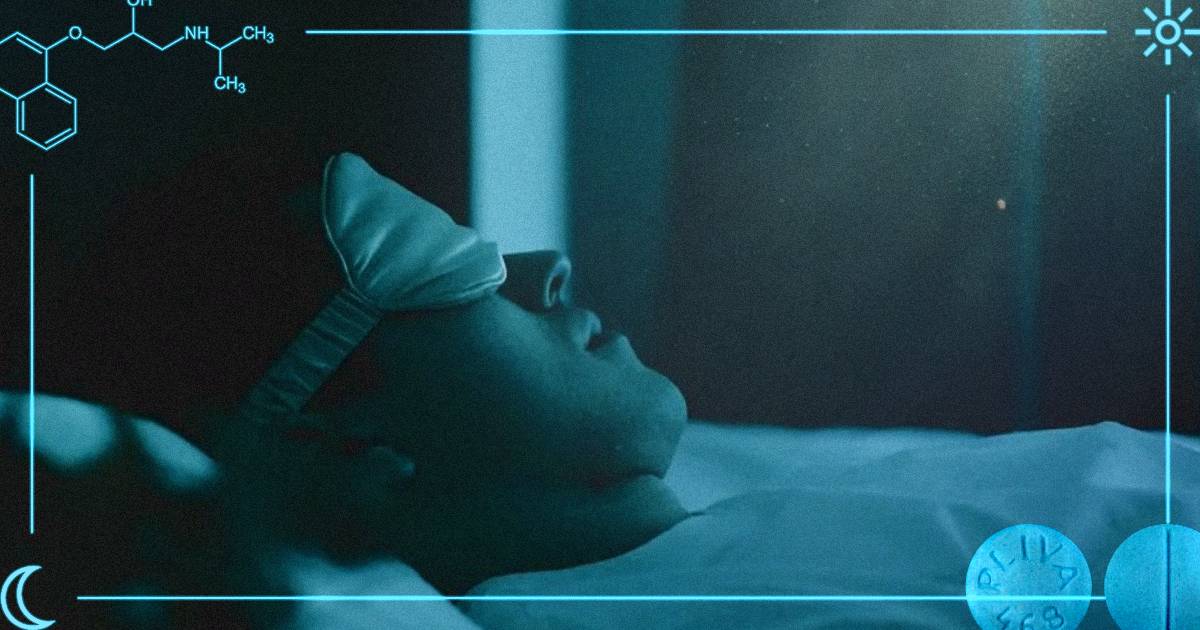
Propranolol is a sixty-year-old beta blocker most people meet as an anxiety or blood pressure drug. It's also a surprisingly precise lever on your sleep clock, useful for resetting a wrecked schedule, beating jetlag, or pushing through an all-nighter without paying for it the whole next day. The circadian trick is a side effect of one specific thing the drug does in one specific place. Here's the mechanism, and how to actually run a reset.
Overview of beta blockers
Mechanism of action
Beta blockers blunt signals from the sympathetic nervous system (your fight-or-flight channel). By limiting how hard the heart responds to stress, they take the edge off the physical machinery of anxiety: the racing pulse, the pounding chest.
Beta blocker subtypes
Cardioselective beta blockers act mainly on the heart, blocking beta-1 receptors to lower heart rate and blood pressure. Because they mostly leave the lungs alone, they’re safer for people with asthma or COPD.
Non-selective beta blockers block beta-1 and beta-2 both. Beta-2 receptors live in the lungs, blood vessels, and muscles, so these drugs reach well beyond the heart; that’s also why they can tighten the airways, and why they’re riskier for anyone with asthma or COPD.
Use for anxiety
That same dampening of the stress response is why beta blockers work for social and performance anxiety: they don’t touch the thought—they cut the body’s amplification of it. The hands stop shaking, the voice steadies, and the feedback loop between physical panic and mental panic loses fuel.
Propranolol specifics
Propranolol is non-selective, and it’s the most lipophilic (fat-soluble) of the beta blockers, which lets it cross the blood-brain barrier far more readily than its cousins. That single property is what turns a heart drug into a sleep tool.
Effects on circadian rhythm
Once propranolol is in the brain, it acts on the suprachiasmatic nucleus (SCN), your master clock, in a way that mimics a hit of morning blue light. The clock reads “morning,” melatonin production drops, and you get the predictable consequences: harder to fall asleep, and for some people, vivid nightmares.
Application
Run that backwards and it’s a feature. Suppress melatonin on purpose and you can hold wakefulness past your usual limit (an all-nighter without the 3 a.m. collapse), or drag a chronically desynchronized clock back into line. Same lever for jetlag.
Example: reversing a nocturnal routine
Background
Drue Wetsel, a 25-year-old software engineer, is stuck nocturnal: asleep by 5 a.m., up around 1 p.m. He wants midnight to 8 a.m., closer to a normal workday and better for nearly everything downstream of sleep timing.
Circadian reset protocol
-
5 a.m.: Drue goes to bed at his usual time and sets an alarm for 8 a.m. Three hours of sleep, on purpose.
-
8 a.m.: He wakes, takes propranolol, and leans on caffeine to get through the day on a deliberate deficit.
-
12 p.m. – 6 p.m.: He stays busy and upright. A short NSDR (non-sleep deep rest) session takes the edge off without tipping into a nap that would reset the whole effort.
-
12 a.m.: Exhausted, Drue goes to bed at his new target time and sets the 8 a.m. alarm again to anchor it.
-
Following days: He holds midnight-to-8, using propranolol and mild stimulants as needed, until the schedule stops needing them.
The sleep deprivation is the engine here; propranolol just keeps the melatonin from fighting you while you re-anchor.
Other medical uses
Circadian hacking is the off-label curiosity. Propranolol earns its keep clinically in several places:
Thyroid storm: it reins in the dangerous tachycardia and hypertension of a thyroid-hormone surge, and eases the tremor and anxiety that ride along with it.
Cardiac remodeling: it can help prevent the structural changes a failing heart undergoes, though other beta blockers usually get this job.
Variceal bleeding in cirrhotics: liver disease swells the veins of the esophagus and stomach until they rupture. Non-selective beta blockers like propranolol lower the pressure in those veins and head the bleed off.
Essential tremor: for the uncontrollable shaking (often in the hands) that essential tremor causes, propranolol steadies things enough to make ordinary tasks ordinary again.
Cautions and side effects
The lungs are the line. Propranolol and the other non-selective beta blockers can tighten the airways and make asthma or COPD worse. If your breathing is compromised, this is the wrong drug, and a cardioselective one is the safer conversation to have with your doctor.
Beyond that: propranolol is a versatile drug doing one unglamorous thing well—blunting the sympathetic signal. The circadian reset is just that same effect, applied at the right place at the right time. Used deliberately, it’s one of the cleaner levers you have on your own clock. Used carelessly, it bites. Respect the lungs and respect the dose, and talk to someone who can see your whole chart before you start.
Message me on X (Twitter) if you enjoyed this post or if you’ve got any corrections I should know about. Special thanks to quixoteknight for enriching this post with invaluable insights into medical pharmacology. Read what they have to say about melatonin next.